Human–AI Collaboration & Multi-Agent Autonomy
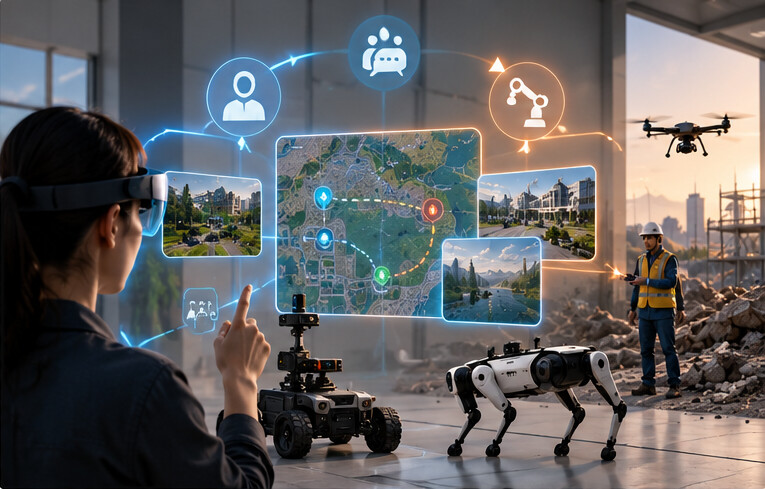
We investigate intelligent collaboration between humans and autonomous agents, as well as coordination among interconnected robotic systems. Our research focuses on human-autonomy teaming, trust-aware decision-making, adaptive task allocation, cooperative perception, and distributed control to enable effective and resilient multi-agent operations.
- Human trust in automation and how automation communicates its reliability
- Adaptive task allocation for human-machine teams, from manufacturing to m:N operations of uncrewed aircraft
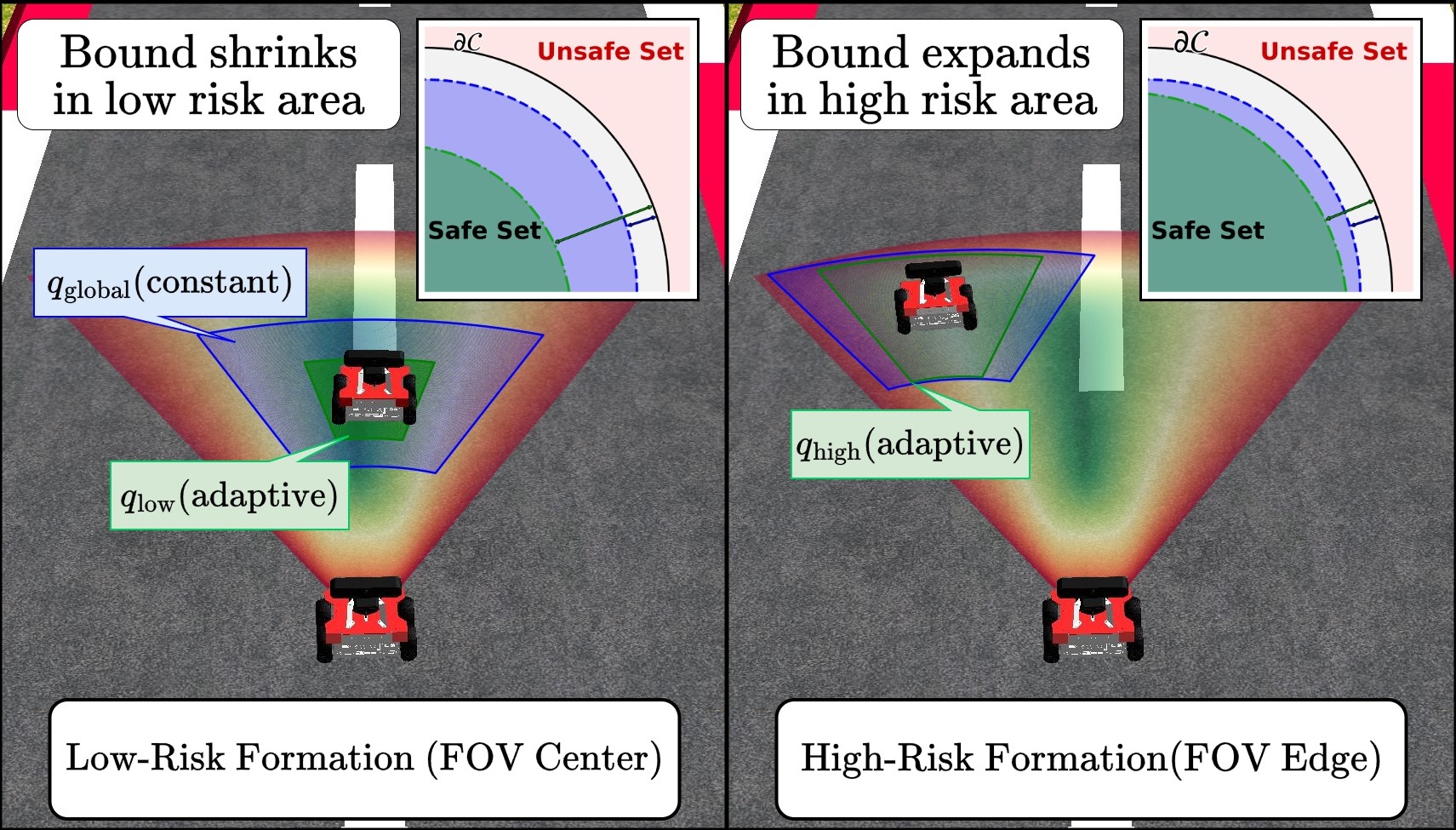
- Perception-aware distributed formation control for teams of drones and ground robots
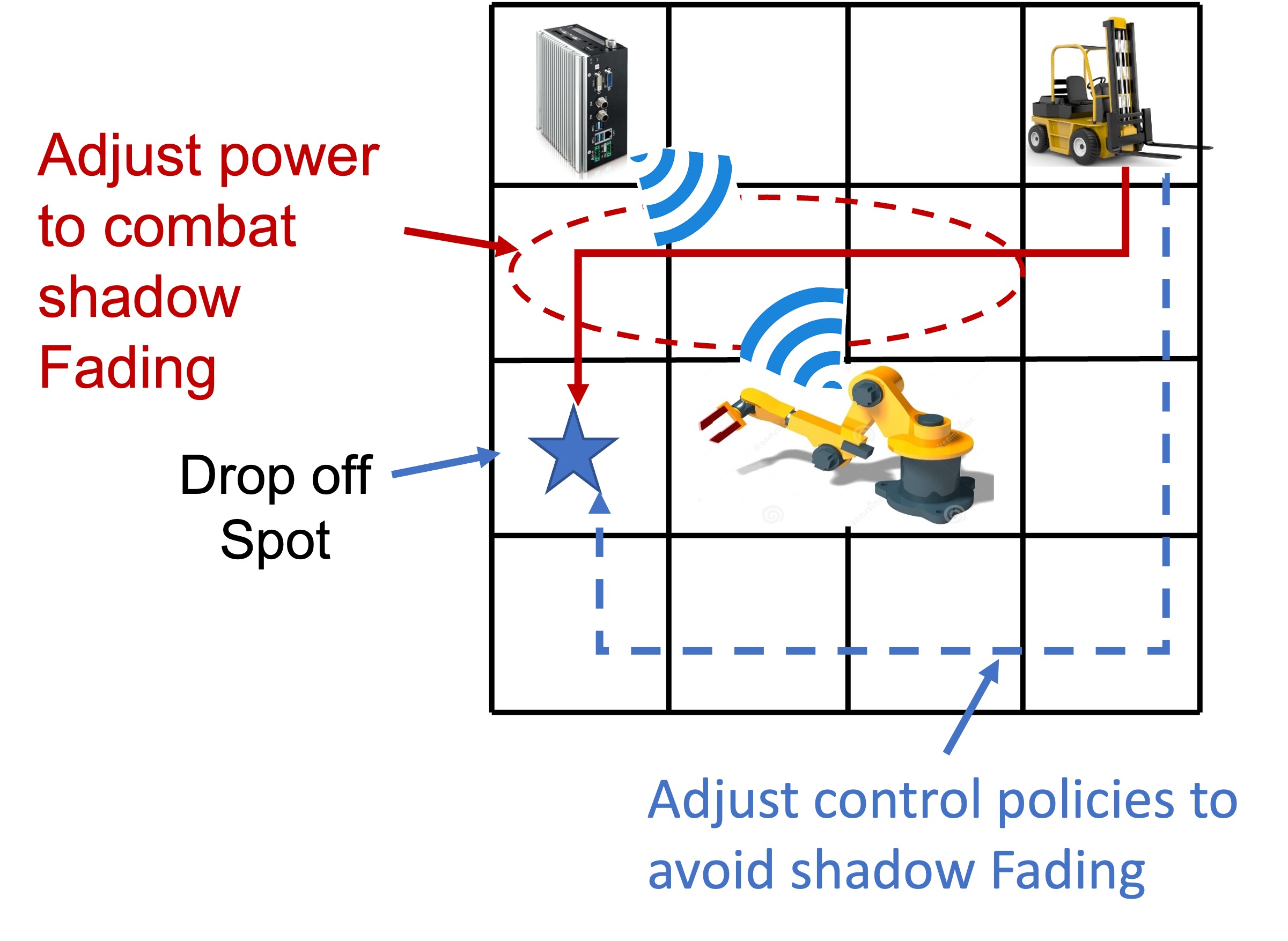
- Resilient vehicle platoons and networked control over unreliable wireless links
Representative publications
Lab members are in bold. ★ PhD student, ♦ Master's student, † equal contribution. The full list is on the Publications page.
2026
2025
2022
2021
2019
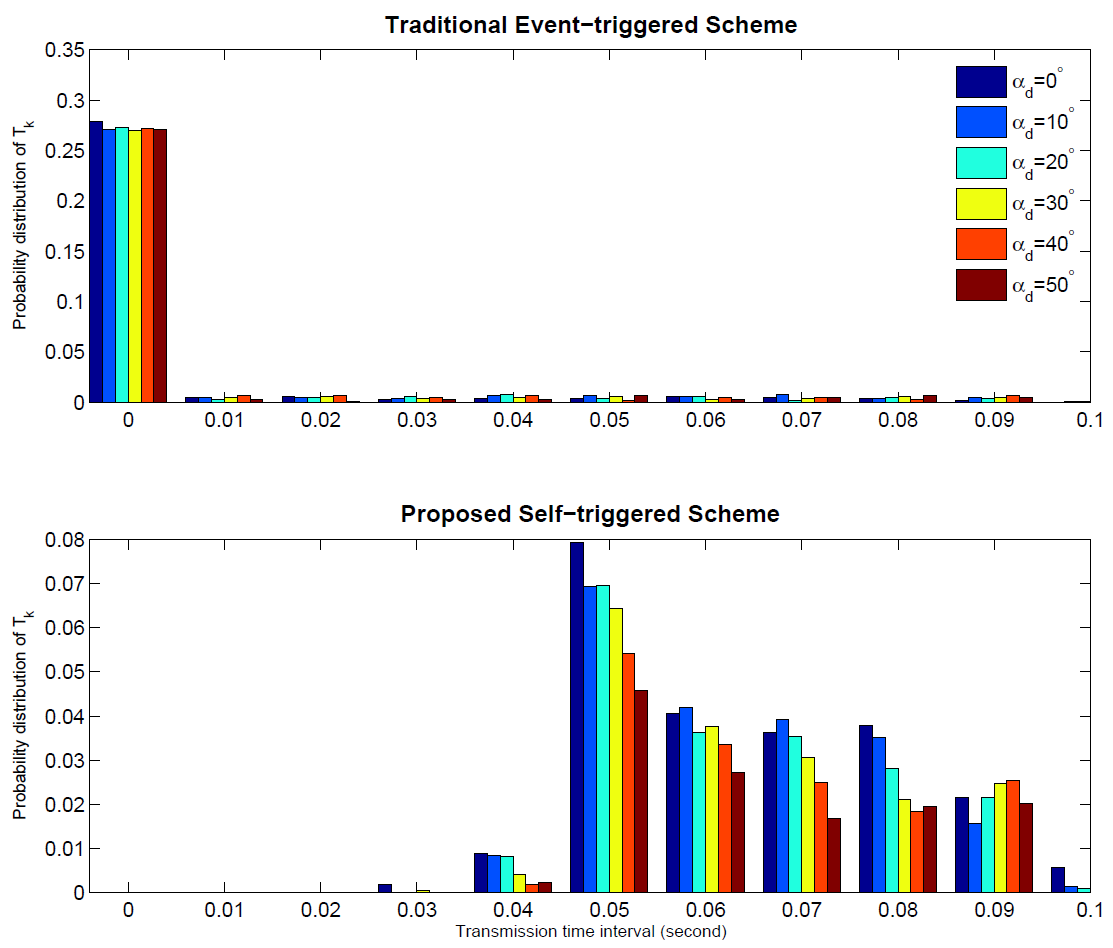
- IEEE TVTString stability analysis for vehicle platooning under unreliable communication links with event-triggered strategyIEEE Transactions on Vehicular Technology (IEEE TVT), 2019
2018
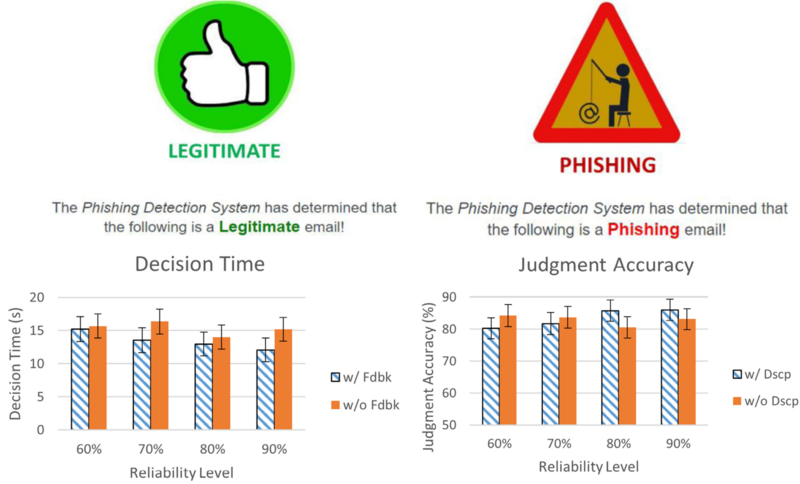
- IJHCSThe description-experience gap in the effect of warning reliability on user trust and performance in a phishing-detection contextInternational Journal of Human-Computer Studies (IJHCS), 2018
2017
- IEEE RALOptimal task allocation for human–machine collaborative manufacturing systemsIEEE Robotics and Automation Letters (IEEE RAL), 2017
2015
- IEEE TACDistributed switching control to achieve almost sure safety for leader-follower vehicular networked systemsIEEE Transactions on Automatic Control (IEEE TAC), 2015
Funded projects
-
 NASA Adaptive human-autonomy responsibility allocation for scalable and safe m:N operational architectures 2023–2027 Site PI
 -
 NSF CHS: Small AI-Human Collaboration in Autonomous Vehicles for Safety and Security 2020–2025 Co-PI